Safety culture programmes in manufacturing often overlook Ergonomics and Human Factors. But the two are inseparable. Here is where Ergonomics fits in and why it matters for your organisation.
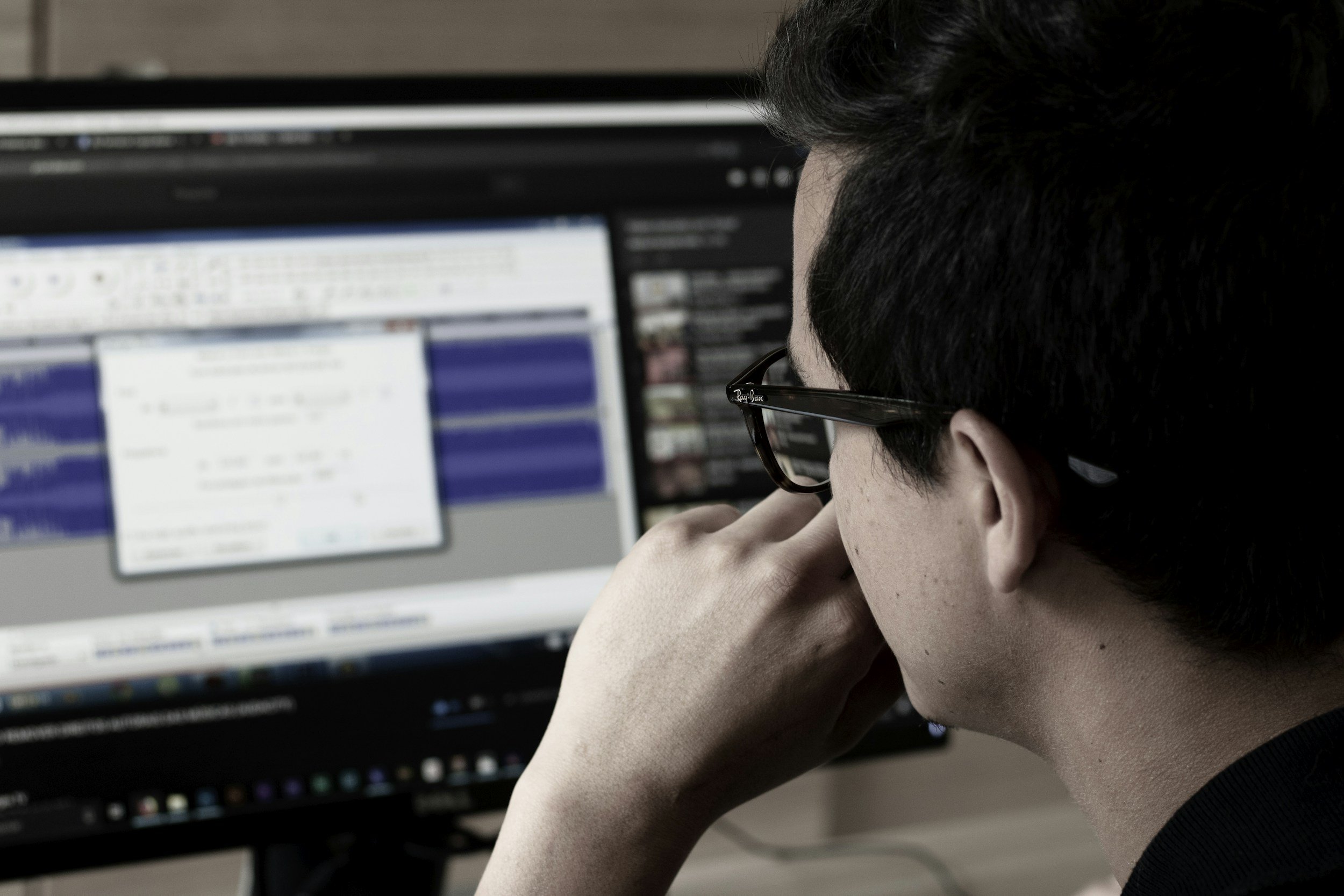
The 20/20/20 rule is a simple, evidence-based way to reduce digital eye strain at work. Here's the research behind it, and how it fits into DSE assessments in Belfast and Northern Ireland.
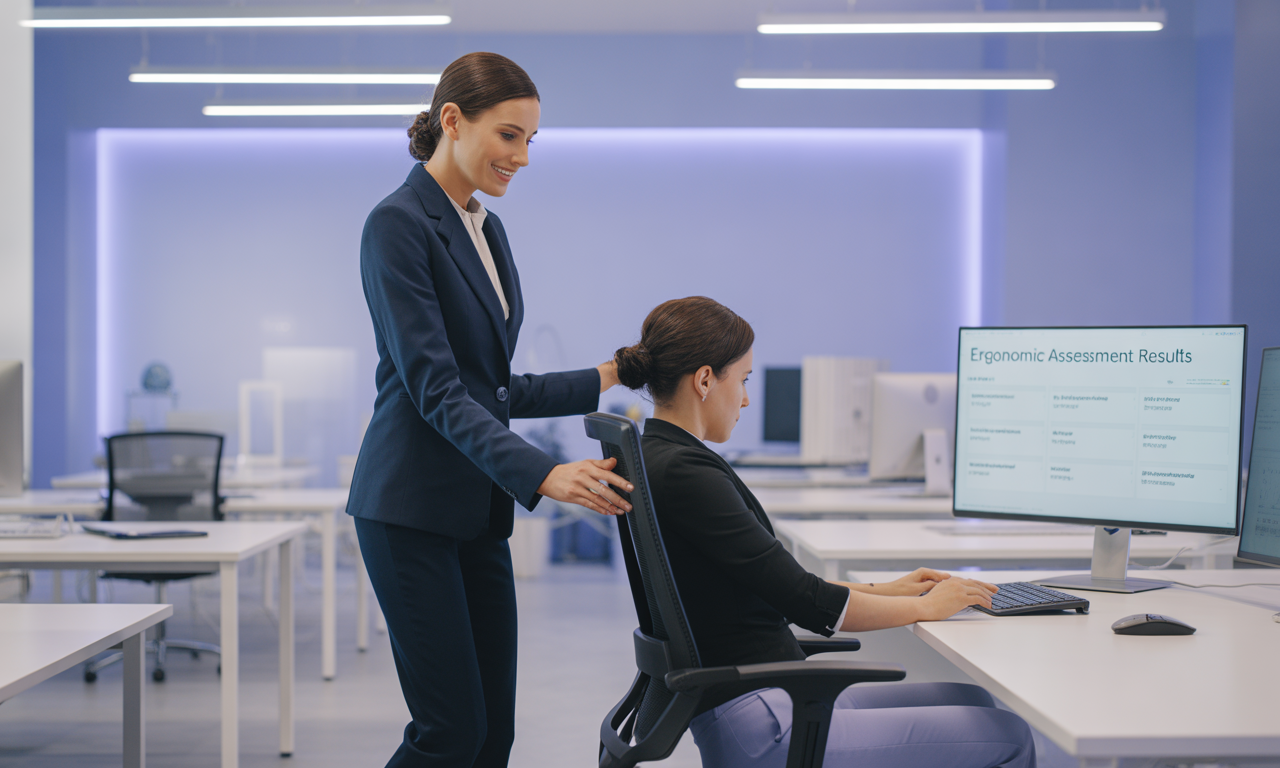
DSE assessment responsibility often lands with whoever seems like the logical choice. But has that person ever been trained to do it? Here's what the law actually requires and what your options are.
Why proactive Ergonomics means identifying and designing out failure conditions long before they reach the frontline, drawing on James Reason's Swiss Cheese Model to make the case for involving Ergonomics at the design stage, not just after an incident has already happened.
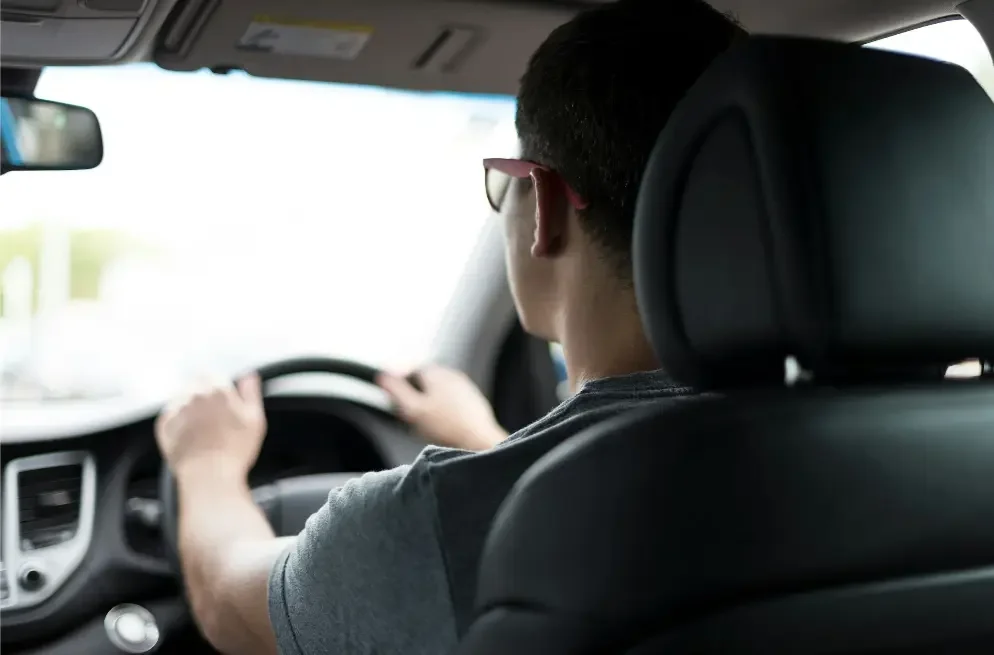
Do you experience back pain or discomfort when driving for work? A Driver Ergonomics Assessment carried out by a Chartered Ergonomist identifies the specific risk factors and provides clear, practical recommendations. Based in Northern Ireland.

Many Northern Ireland employers are unclear about their legal duties around DSE risk assessments. Some don't know assessments are required at all. Others treat them as something triggered by a problem rather than a baseline obligation. This article sets out what the law requires and what a compliant approach looks like.
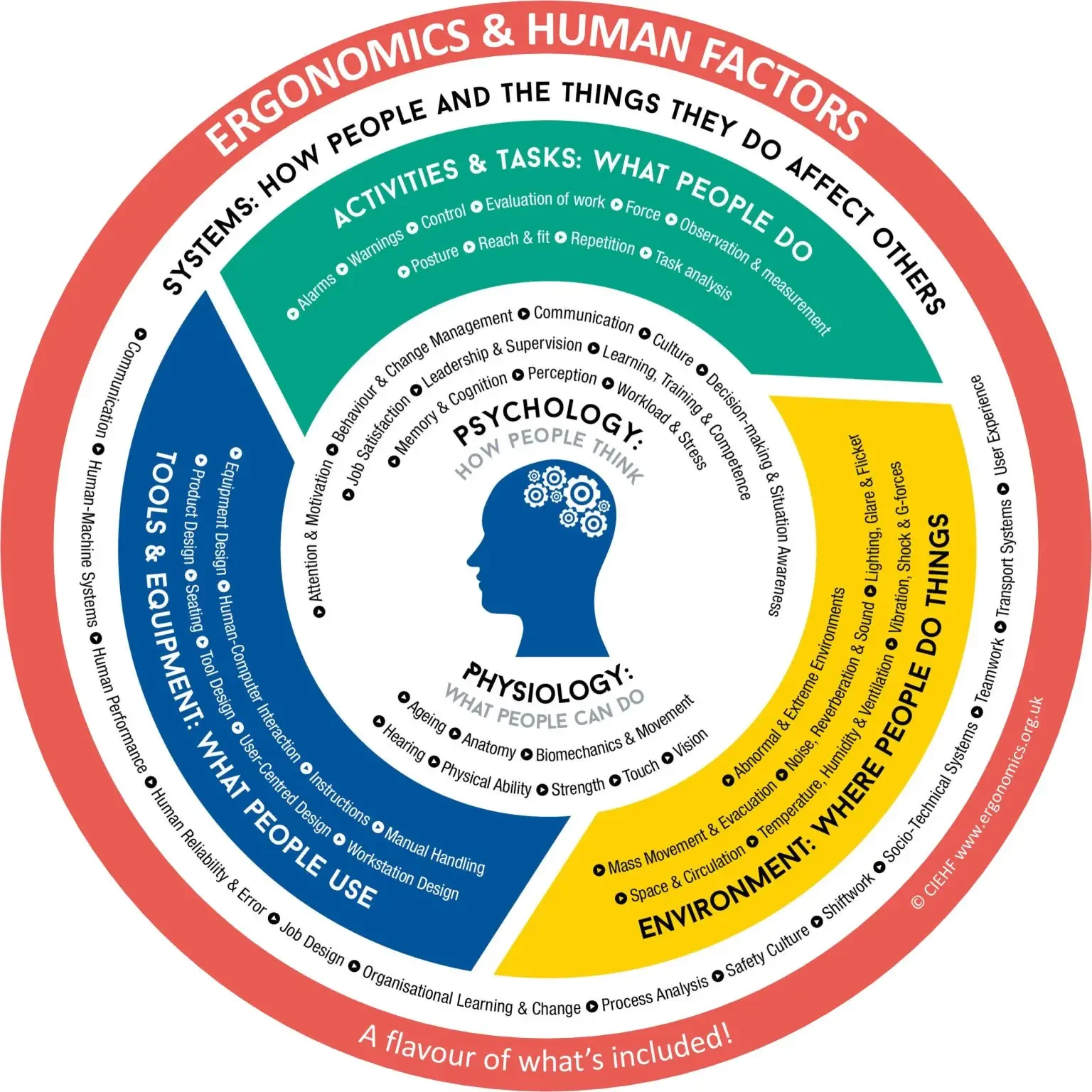
Most people think Ergonomics means a better chair. It does, but it is so much more than that. This article sets out what Ergonomics and Human Factors actually covers, why it matters in manufacturing and engineering, and what organisations stand to gain by engaging with the full scope of the discipline.

Most DFMEA processes identify operator error as a failure mode. But does the analysis go far enough? This article explores how Ergonomics and Human Factors strengthens design-stage risk assessment by treating the human as a system component whose performance is shaped by design decisions.
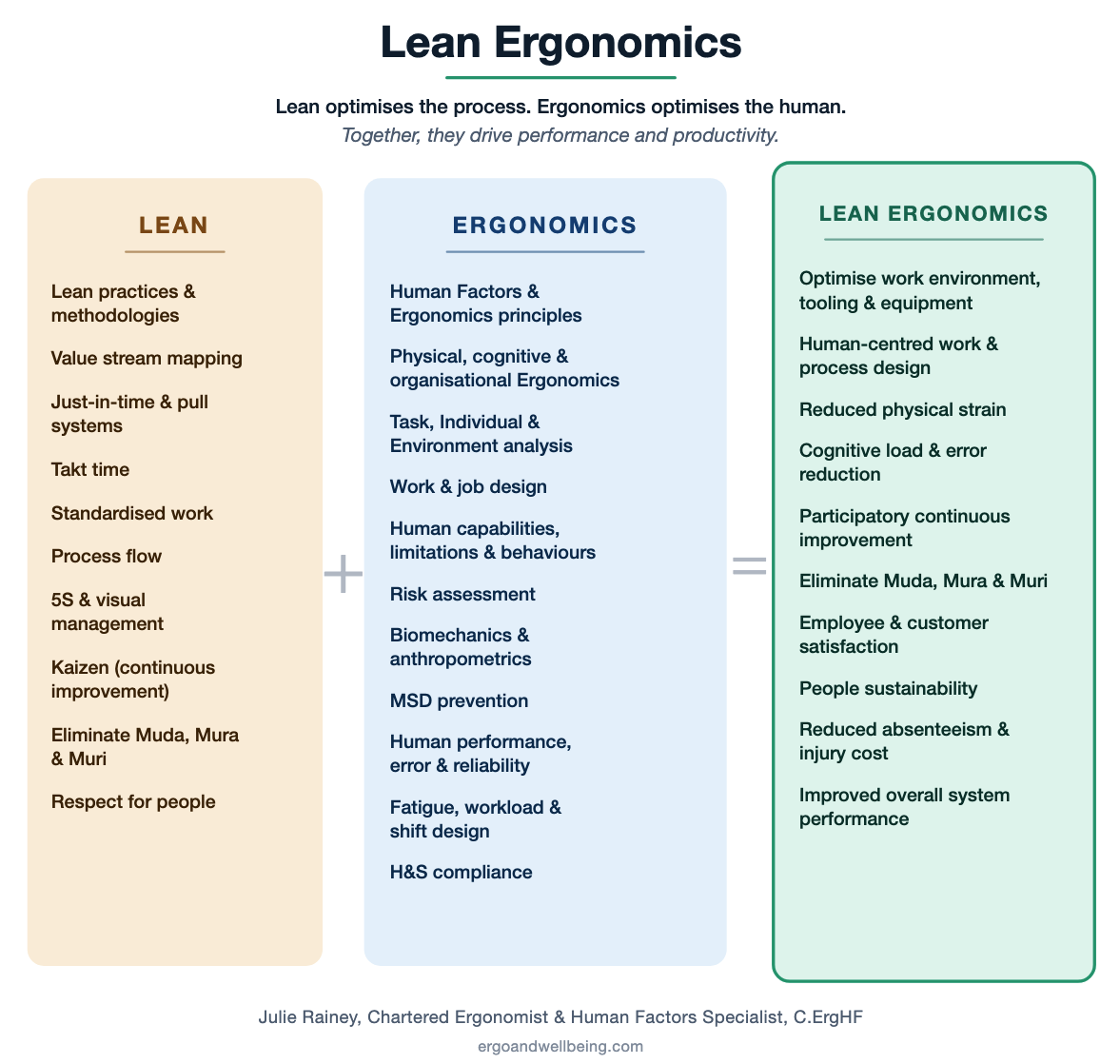
Lean optimises the process. Ergonomics optimises the human. Together, they drive performance and productivity. Discover how integrating Ergonomics into your existing Lean tools delivers sustainable results.
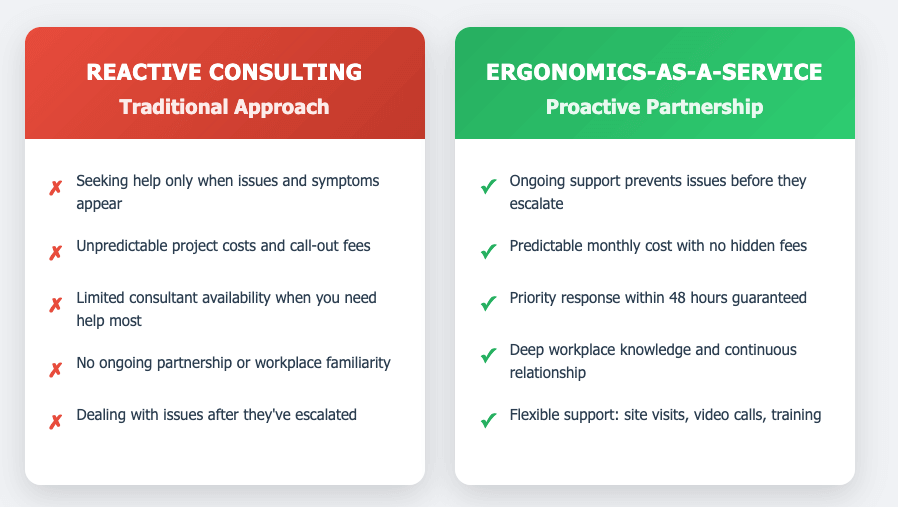
Most organisations across Northern Ireland approach Ergonomics reactively, only acting when problems arise. This cycle creates unpredictable costs, delays and no prevention of recurring issues. There is a better way.

Manufacturing excellence starts with people, not just processes. Discover why integrating Ergonomics at the design stage prevents costly retrofits, reduces workplace injuries and transforms production performance. Learn how proactive Ergonomics thinking creates safer, more efficient manufacturing operations.
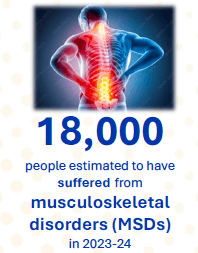
HSENI's latest workplace health statistics show work-related MSDs reached 18,000 cases in 2023/24 the highest level in five years. See the sector breakdown focusing on manufacturing and logistics.
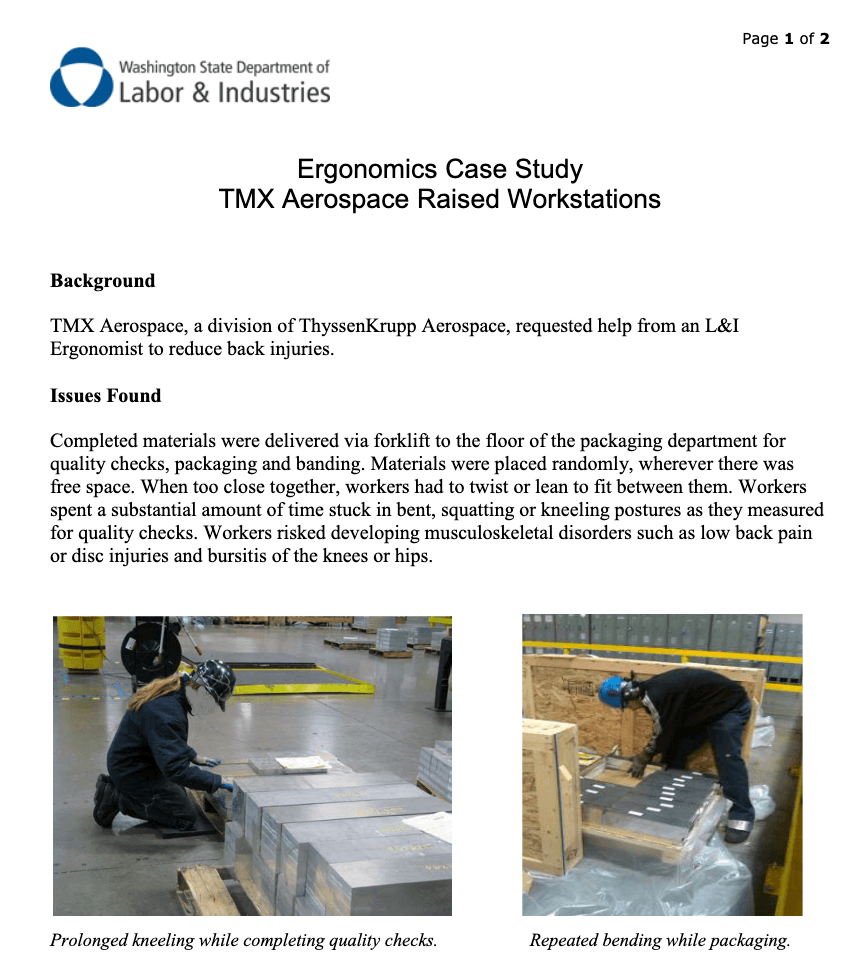
TMX Aerospace eliminated back injuries and improved workflow with a simple solution: raising work to standing height. See how in-house fabricated sawhorses delivered both safety and efficiency gains.This manufacturing ergonomics case study shows how TMX Aerospace prevented musculoskeletal disorders and improved productivity simultaneously. The solution? Simple workplace design changes that eliminated awkward postures while supporting lean manufacturing principles.

The Health and Safety Executive's 2024/25 statistics reveal a mixed picture for work-related MSDs. Whilst total cases decreased to 511,000 workers, new cases rose to 173,000 and upper limb injuries increased to 41%. With 7.1 million working days lost, this analysis examines what these trends mean for businesses across Northern Ireland, the UK and Ireland in high-risk sectors and why proactive Ergonomic intervention remains critical.
Lean and Ergonomics solve the same problems but rarely work together. This disconnect is a missed opportunity. Ergonomic injuries are waste. Integrating Ergonomics into lean practices from the start creates better solutions, avoids costly retrofits and improves both productivity and worker wellbeing.

Retail workers face unique health risks from repetitive scanning to cold exposure. This comprehensive guide identifies specific musculoskeletal disorders retail employees develop and provides evidence-based prevention strategies.

Over 3 million UK retail workers face underestimated ergonomic challenges. Discover why addressing manual handling, checkout ergonomics and workplace design makes both ethical and commercial sense.

Manual Handling remains one of the leading causes of workplace injury across Northern Ireland. This guide explains employer obligations under the Manual Handling Operations Regulations (Northern Ireland) 1992, including who needs training, how often refresher training should occur and what HSENI expects from Northern Ireland businesses.

543,000 workers suffering from MSDs. 7.8 million working days lost. Discover why work-related musculoskeletal disorders are the hidden cost your business can't ignore and how Ergonomics expertise can prevent them.

What separates a Chartered Ergonomist from other practitioners? Discover what C.ErgHF status means, the professional standards required and how to distinguish genuine expertise.