First in new series of infographics. This one relates to Manufacturing / Production Ergonomics.
Please click on this link to see the 2025 updated blog article.
Practical workplace Ergonomics and Human Factors advice for manufacturing, food production, engineering, logistics and office environments across Northern Ireland, UK and Ireland. My latest content covers MSD prevention, manual handling, production line Ergonomics, DSE assessments and building the business case for proactive workplace safety.
First in new series of infographics. This one relates to Manufacturing / Production Ergonomics.
Please click on this link to see the 2025 updated blog article.

Why as Human Factors professionals should we be interested in Biophilic Design?
As Human Factors professionals we are aiming to create environments that;
are physically, physiological and mentally healthy
comfortable & happy
improve cognitive function > creativity, less error, improve concentration & performance
improve productivity
lower levels of absenteeism (cost and manpower impact)
lower employee turnover, improve employee retention, creating environment that enhance social connections
Read MoreAccording to an article by Rockfon “The growing awareness of sustainability, holistic design and the need to reconnect with nature for well-being is going to be the main features of 2021.”
In summary;
📌Sustainability (particularly human sustainability)
📌Holistic design
📌Reconnecting with nature (biophilic design)
📌Acoustics
📌Indoor comfort
📌Consideration of materials used
📌Use of space
📌End-user (occupant) behaviours & experience...
These mentioned are only some of the many elements included in the specialist area of Human Factors in the Built Environment...
#builtenvironment #humanfactors
#biophilicdesign #sustainability #architecture #occupantexperience
If you’d like to know more or need any consultation, please get in touch.

Biophilic design integrates nature into the built environment to enhance human wellbeing. A human-centric approach aligned with Human Factors principles, it leverages our innate connection to nature to reduce stress, boost creativity and productivity and improve overall health.
Research demonstrates that biophilic workspaces improve employee wellbeing, satisfaction and performance.
🍃🌱🍃 These ‘living walls’ are amazing. We could all benefit from some of these in our indoor spaces.
What’s not to like...
✔️calming, enjoyable, promotes wellness
✔️creative
✔️cleanses our indoor air
✔️improves acoustics
✔️brings nature indoors
All part of creating a healthy building and suitable for any indoor space.
Stunning impact these living walls make. Note the various textures of greenery and the inclusion of natural materials such as wood, stone, pebbles. Use of muted, neutral colours are very calming. Biophilic design at its most creative and stylish.
Integrating biophilic design principles, complementary to Ergonomics, to create workspaces that support both physical comfort and psychological wellbeing.
Key Elements Include:
Natural materials and textures
Optimised natural lighting
Living plants and green walls
Water features
Natural patterns and biomorphic forms
Views and connections to nature
From simple enhancements like strategic plant placement to comprehensive redesigns incorporating living walls and optimised daylighting, environments can nurture the human-nature connection and foster deeper occupant engagement.


I love the concept of green roofs. This worthwhile article puts forward a sound case...
The WELL Building Standard and the Fitwel certification both advocate for green spaces in or around buildings promoting gardening and time spend outdoors with nature as beneficial for fitness, wellness, social interaction and building community spirit. Also the environmental gains of providing eco-areas are a gain for the building and urban area too and reinforce the 2 of the 3 pillars of sustainability. (people, planet and profit).
“To convince investors and developers that installing green roofs is worthwhile, economic arguments are still the most important. The term “natural capital” has been developed to explain the economic value of nature; for example, measuring the money saved by installing natural solutions to protect against flood damage, adapt to climate change, or help people lead healthier and happier lives.”
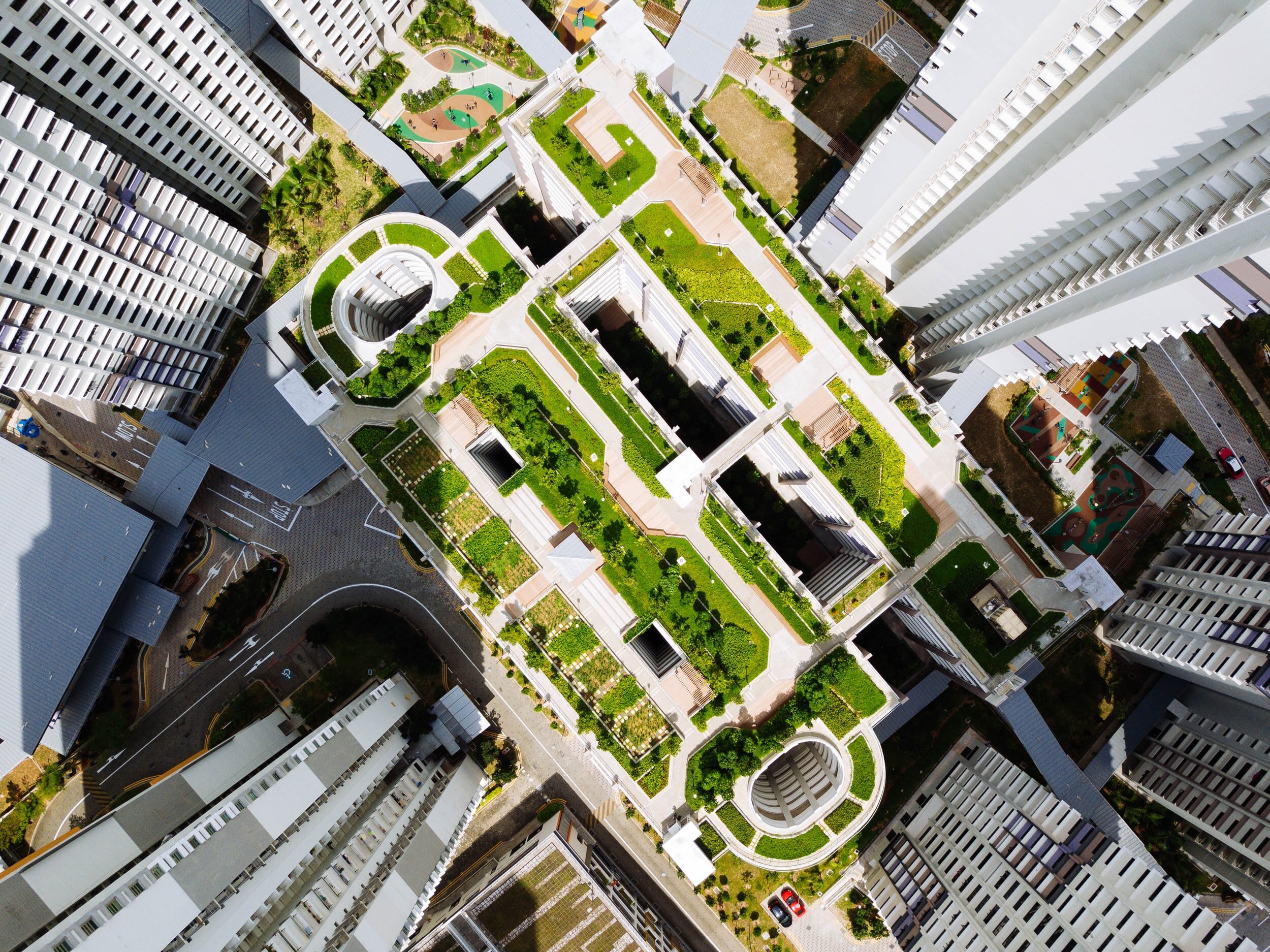
The EDGE Olympic Building by EDGE Technologies in Amsterdam, The Netherlands is exemplary!
This new generation smart building showcases research and technical innovations in health and wellbeing and is designed to minimise its environmental impact. It incorporates a digital infrastructure that connects to a single cloud platform so users can access, personalise and use their workspace using a smartphone app. The building was the first in The Netherlands to receive the WELL Core & Shell Platinum Certification.

As a human factors specialist, I love and appreciate these design considerations from Wellspace Architects. A comprenhensive, research-based, holistic approach to the design and use of sustainable and healthy buildings.
#healthybuildings #wellnessintheworkplace #designwelllivebetter #architectureandpeople #humanfactors


This is really useful and timely report by CBRE Ireland 👏🏻. It’s very clear that considerations re use of space, health & wellness strategies, smart buildings technologies and creating healthy environments to entice employees back to the workplace, when and as appropriate, need to be taken to the next level. Essentially design of workplace needs to be more human-centric.
Holistic approaches or frameworks like the International WELL Building Institute (IWBI) WELL Building Standard, for example, could potentially serve to address many issues / concepts raised in this report and others.

We have gained the Fitwel Ambassador certification!
Fitwel is a premier benchmarking and certification system for optimising building design and operations to support health and wellbeing not only in buildings (residential and non-residential), but extending into communities. It includes policies for mental health, social interaction and increases civic trust.
The Centre for Active Design is the 3rd party certification.
As a Fitwel Ambassador she is well-versed in the connection between design, health & wellness and occupants’ experience and have a clear understanding of how to integrate the strategies into projects.
There are 7 Impact Categories
Impacts community health
Reduces morbidity and absenteeism
Social equity for vunerable populations
Increases physical activity
Promtes occupants safety
Provides healthy food options
Fitwel certification
* incorporate 55+ operational, policy and design strategies
* is based on 3000+ evidence based research studies
* is suitable for existing buildings and new, for all types of buildings, excluding single dwelling.
* is cost effective
Design Certifications and Build Certifications
* uses dynamic weighted points system
* has no prerequisites
* is applicable across portfolios
Certification goes beyound the envelope and is divided into 12 sections
Location
Access
Outdoor spaces
Entrances and Ground Floors
Stairs / Stairwells
Indoor Environments
Workspaces / Dwellings
Shared spaces
Water supply
Grocery Stores, Cafes and Prepared Food Retail
Vending machines / Snack Bars / Micromarkets
Emergency Procedures
https://fitwel.org
If you would like more information, please contact us.


PART 2 - Changing times - working from home - ergonomic advice for both employers and employees -
Part 2 - responsibilities for employees.
Get comfortable - look after yourself! You need to ensure you are working in a way that your body is not awkward, unsupported, bent over, shoulders slouched or wrists bent. Aim for a neutral, relaxed and comfortable position. Get yourself a comfortable chair, one with good ‘lumbar’ back support and with adjustable height so you can sit with feet planted flat. For those of a shorter stature, a foot stool can make you feel more supported whilst seated. Find yourself space at a full-height table, not a coffee table, ideally near a window. Looking down at your laptop or phone for periods of time can significantly increase pressure on the neck and shoulders. You can really push the boat out and get a laptop stand to give you a second screen. If you do choose to relocate to the sofa, make sure you use cushions to support yourself and prop your laptop. Working on the sofa should only be if a table is simply not an option, for short periods of time, perhaps when reading is required or listening in on a call. An investment in a complete working from home suite will avoid neck, back, shoulder and lower limb pain and make the WFH experience much more satisfying. Equipment can be bought to everyones budget and indeed site’s like Gumtree are perfect for finding items such as second-hand monitors or ergonomic chairs. Borrowing from friends or family will cost you nothing too.
Read MoreThe BBC featured a Worklife 101 article in June entitled ‘What the Dutch can teach the world about remote work’. Five months later, I think it important to draw attention to it again. The article reflects on a refreshing and modern outlook that the Netherlands has already about remote working. This isn’t anything new for the Dutch. Whilst most of the world lags behind, the Netherlands (and following behind Finland), are a shining beacon of embracing remote working, making it work for both employers and employees. The Dutch has the right combination of high-speed internet access in homes, technology, culture and approach to make remote working successful. They understand the digital and social framework needed to support home working and make it sustainable in a post Covid-19 world.
Most significantly and the lynch pin of success, is that employers place a lot of trust in employees; culturally they are judged on what they deliver and not hours sat at their desk. This does not surprise me as my impression of the Dutch, having been there on many occasions, is that they are a pragmatic, sensible, responsible, equitable nation. Taking responsibility for your own actions and looking after each other are built-in traits of being Dutch, traits which I certainly admire and which holds them in good stead though good times and bad.
Employers in the UK & Ireland could look toward The Netherlands for best practice ways to implement home working policies and setting up virtual, remote offices. The Dutch tried and tested framework of a smart combination of working from home and meeting in real life will be emerging more in other countries. With regard to regulations, Dutch employers are motivated to make sure that their employees have healthy working conditions at home as The Netherlands have stringent sick pay legislation. According to information provided by the Netherlands Enterprise Agency, RVO | Statistics Netherlands, CBS
‘If you own a company in the Netherlands and one of your employees becomes ill, you are required to pay at least 70% of their last earned wages. You are obliged to do this for a maximum period of two years.’
As we know it costs to put in control measures to look after employees, however sickness, absence and turnover can easily cost even more. As a few final takeaways, here are a few quotes from the original article - well worth the read in full.
Aukje Nauta, an organisational psychology professor at the University of Leiden, who is researching how companies can enhance individuals in a dynamic work context, believes that employers could look toward the Netherlands for inspiration as they consider how best to implement remote-work policies and set up virtual offices. “Values such as democracy and participation are deeply rooted in the Dutch working culture, so managers place more trust in their workers than elsewhere in the world,” she says. “For example, ING bank [an influential Dutch company based in Amsterdam] now has a policy on unlimited holidays implemented for pilot groups of workers, who can take as much holiday as they want as long as their tasks do not suffer. Employers elsewhere are now learning that employees can be trusted to work from home, and I believe that in post-corona[virus] times, smart combinations of working from home and meeting in real life will emerge more and more worldwide.”
There are also broader social contexts that enable remote work to flourish in the Netherlands.
“Physical infrastructure is well developed, and public and commercial remote-working facilities are plentiful,” says Bart Götte, a business futurist and psychologist based in Amersfoort. “Public libraries have reinvented themselves as massive and comfortable modern working spaces, and there are an enormous number of small, quality coffee shops that service the remote workforce. Employers in the Netherlands have also seized the opportunity to cut costs and become more productive – they need less square metres of expensive office space…”


We are in the midst of a turbulent learning curve whilst Covid-19 continues to impact business in the UK and Ireland. Now is the time to rethink outdated policies, procedures and introduce wellbeing initiatives, as well as reflect on the Dutch experience customs and values. The Dutch success at least gives us confidence that WHF can be a long-term solution to keeping our economies and entrepreneurism buoyant as well as a facilitator for a healthier work-life balance.
As The Netherlands displays a combination of attuned infrastructure, investment in a digital future and culture of trust that makes it an aspirational archetype of a well-oiled remote world, companies in other countries still have much to understand and adapt to as Covid-19 ushers in a less office-based future.
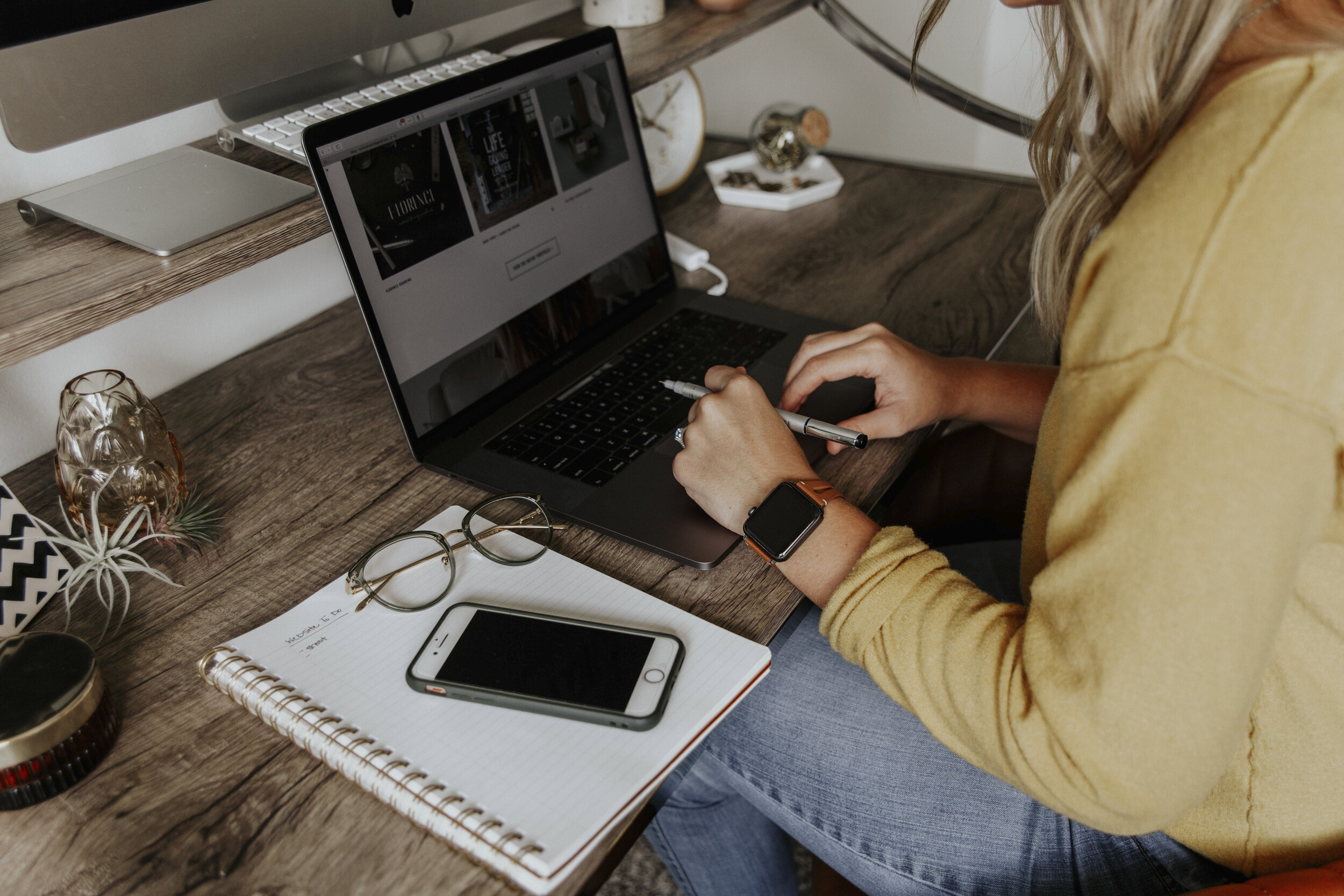


Self-autonomy is empowering and encourages creativity, increased engagement and ownership of tasks and responsibilities. Allowing employees to re-evaluate and adjust their working day may be a change from the norm, but if there’s ever been a time now to fully commit to ‘flexible working’ in its truest form rather than the lip-service and lack lustre promotion it is generally afforded, now is the time. Faced with the adversity and restrictions Covid-19 places on us all, in every part of our lives, it’s time to give flexible working a fair chance. Individual arrangements then should then be communicated with the rest of team or department. Without this kind of strategy in place, unnecessary stress and anxiety has already been widely identified as an issue. Employees are made to feel they should be available all day long, responding to evening emails sent be colleagues and find it difficult to switch off. Whilst being seen actively online may be misconstrued as being productive, this will inevitably lead to burn out. To avoid situations like this, flexible working in your organisation should be promoted as the new norm working culture and should be clearly communicated, promoted with policies updated accordingly.
Read MoreErgonomics and Human Factors is a scientific discipline concerned with the understanding of interactions among humans and their tasks, jobs, products, environments and systems. Theories, principles, data and methods are applied to the design and evaluation in order to optimise human well-being, safety and overall system performance.
There is great potential for ergonomics and human factors to raise its profile especially with Covid-19, when human behaviour in the work environment; individuals capabilities and limitations (physical and psychosocial), productivity levels and physical and mental wellbeing are more important than ever. No longer are considering ergonomics and human factors as a niceity; there are now essential for addressing social sustainability in the workplace and tackling the issues of wellbeing in the workplace.
The challenge is getting employers to see the benefits of ergonomics and where it fits in with a sound health and safety work culture, promoting not just safe practices but understanding how incorporating good, ergonomic principals, can create that 'win-win' scenario for employees' wellbeing and their business's bottom line. How are happy workers and increased profits achieved? By improving employees comfort levels, safety, satisfaction and morale these then lead to reduced absenteeism, increased staff retention, efficiency, quality out-put and productivity.
Ergo & Wellbeing are a ergonomics and human factors consultancy which specialise in human behaviour in the work environment; capabilities and limitations (physical and psychosocial), wellbeing, human and system performance.
We are passionate about sharing our knowledge and understanding of applying ergonomic and human factors principals and how they make a significant difference to human life, wellbeing and safety whilst reducing risks of harm associated with mental and physical health. They’re always looking to promote their significant benefits in all workplace settings, particularly in manufacturing and the design of the modern workspace.
With a common sense and practical approach creating an ergonomic culture can produce a 'win-win' scenario for employees wellbeing and their business's bottom line. That's the holy grail of ergonomics and human factors! Employees are a business's most valuable assets! Fact - happy, healthy, valued workers work better.
Has your organisation considered having an ergonomic review? Contact Ergo & Wellbeing today.

