Retail Ergonomics
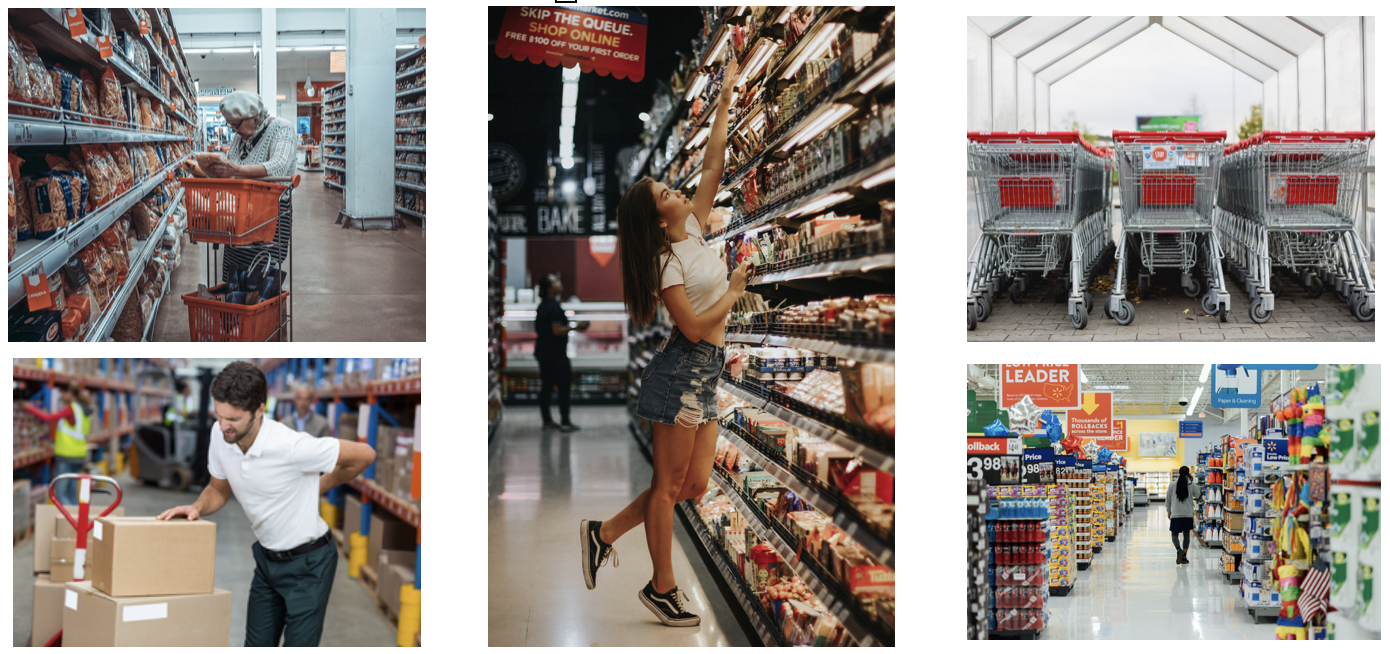
Retail environments present a range of musculoskeletal risks - from manual handling in warehouse and back-of-house areas to repetitive tasks on the shop floor and at the checkout. Over 3 million people work in UK retail, and research consistently identifies retail as a high-risk sector for work-related musculoskeletal disorders.
I provide Ergonomics assessments and consultancy for retail environments of all sizes, from independent stores to large supermarkets, covering shop floor, warehouse and checkout operations across Northern Ireland.
Shop Floor
The shop floor presents a range of Ergonomics risks that are often underestimated. Staff are regularly required to work at fixed heights, reach to high or low shelving, adopt awkward postures during stock replenishment and stand for extended periods. Aisle layout, shelving design and the availability of appropriate equipment such as steps and trolleys all affect both worker safety and customer accessibility.
A Shop Floor Ergonomics Assessment identifies the specific risk factors present and provides practical recommendations to reduce musculoskeletal risk and improve working conditions.
Checkout & Point of Sale Workstation Ergonomics Assessments
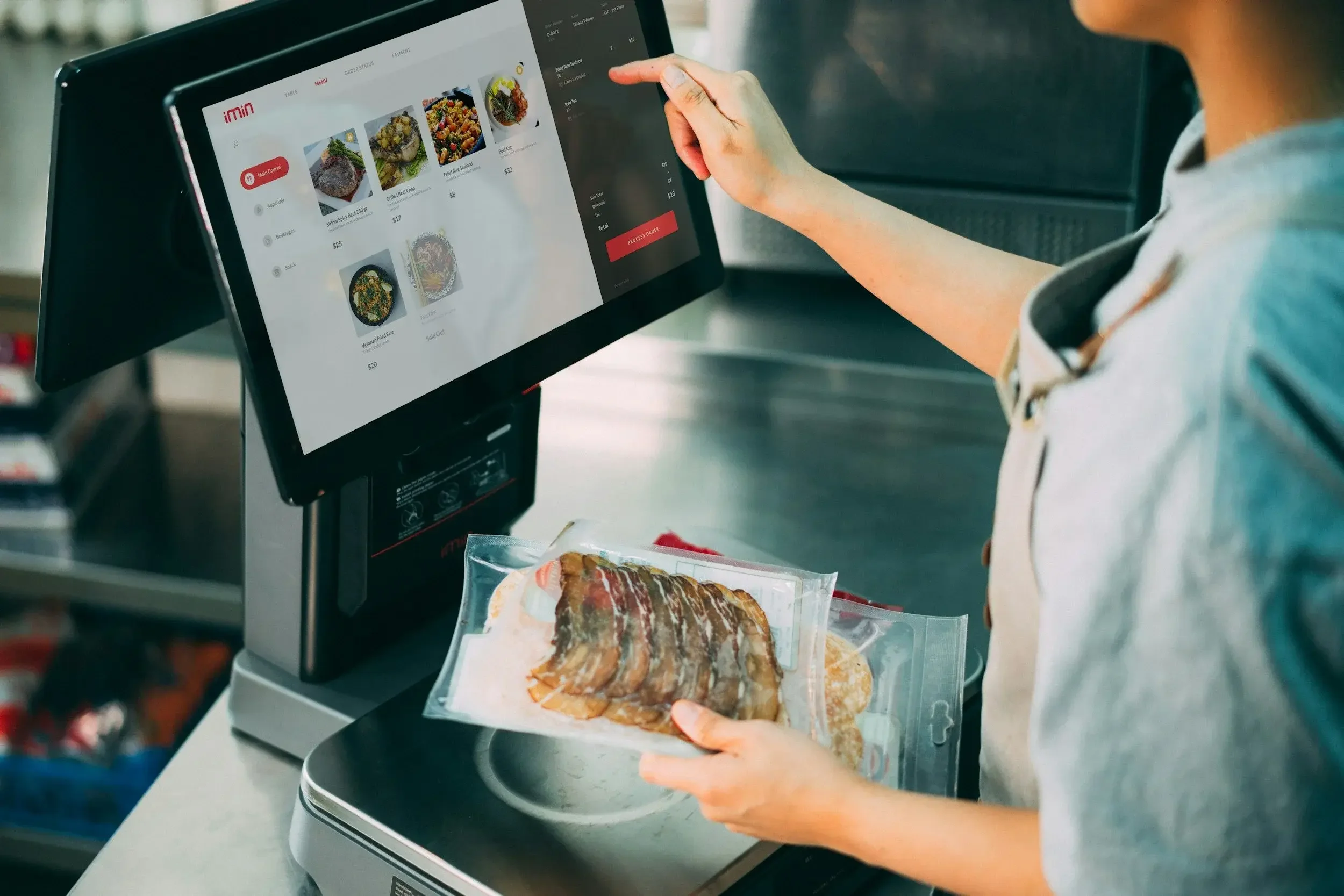
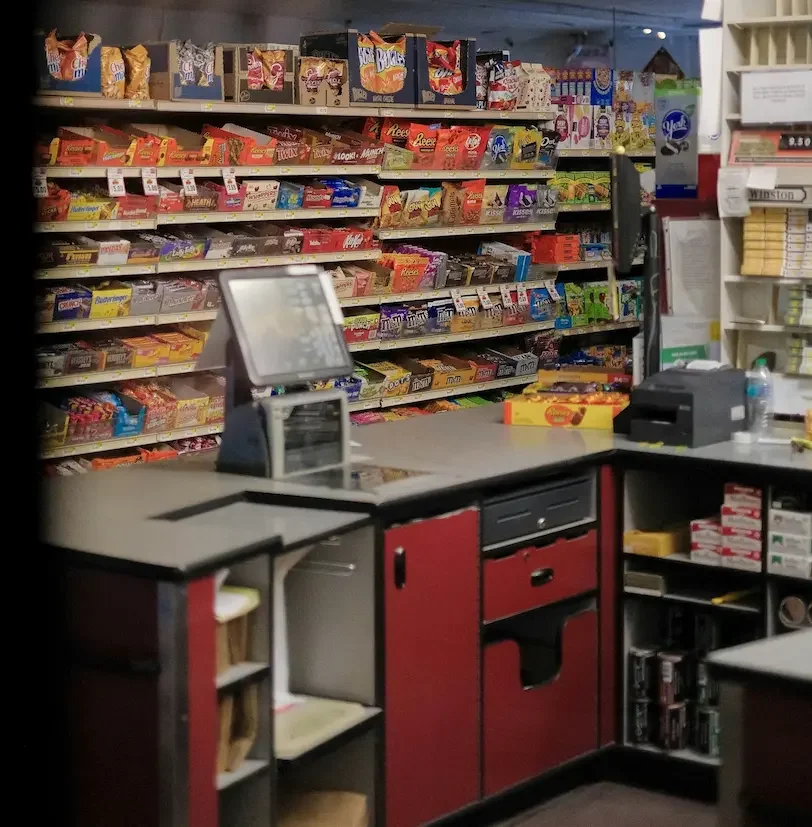
Checkout workstations are often overlooked as a source of musculoskeletal risk. Operators are exposed to repetitive tasks, awkward postures and restricted movement across their shifts - and over time that combination creates a real risk of musculoskeletal disorders (MSDs).
HSE guidance Managing Musculoskeletal Disorders in Checkout Work - A brief guide is written specifically for this environment, covering the key MSD risk areas including equipment, task design, load handling, individual needs and the working environment. It is a document that is not widely known, even among those responsible for health and safety in retail.
Unlike DSE assessments, there is no standardised checklist for checkout workstations. To address this I have developed a bespoke assessment checklist and report specifically for checkout work, based on the DSE assessment framework but adapted for the checkout environment. The assessment covers seating and working position, counter layout, reach and access, scanning equipment, bagging area, environment and individual factors.
A Checkout Workstation Ergonomics Assessment provides a clear picture of the risk factors present at each workstation and practical recommendations to address them. Recommendations benefit not only the individual operator assessed but any other operators working at that checkout.
Assessments are available across Northern Ireland. Contact Julie to find out more.
Warehouse and Back-of-House
Warehouse and back-of-house areas carry significant manual handling risk. Heavy lifting, repetitive loading and unloading, working at floor level and the use of industrial equipment such as pallet trucks and roll cages all contribute to musculoskeletal injury risk if not properly managed.
A Warehouse Ergonomics Assessment covers the full range of manual handling and postural risks in your operational areas and provides clear, practical recommendations to address them.
Further Reading: Investing in Retail Ergonomics: Business Case & Benefits | Retail Worker MSDs: Practical Prevention & Risk Guide
Industry Research: EU-OSHA E-fact 12: Work-related Musculoskeletal Disorders in the Service and Retail Sectors
Contact Julie to discuss your retail Ergonomics assessment requirements.
