Manufacturing, Industrial & Production Line Ergonomics - Northern Ireland
If you operate a manufacturing, industrial, food production, engineering, logistics or warehousing facility in Northern IrelandAll assessments and consultancy are personally delivered by Julie Rainey MSc C.ErgHF MCIEHF MIHFES, Chartered Ergonomist & Human Factors Specialist.
My Assessment Approach: Comprehensive Ergonomics Assessment
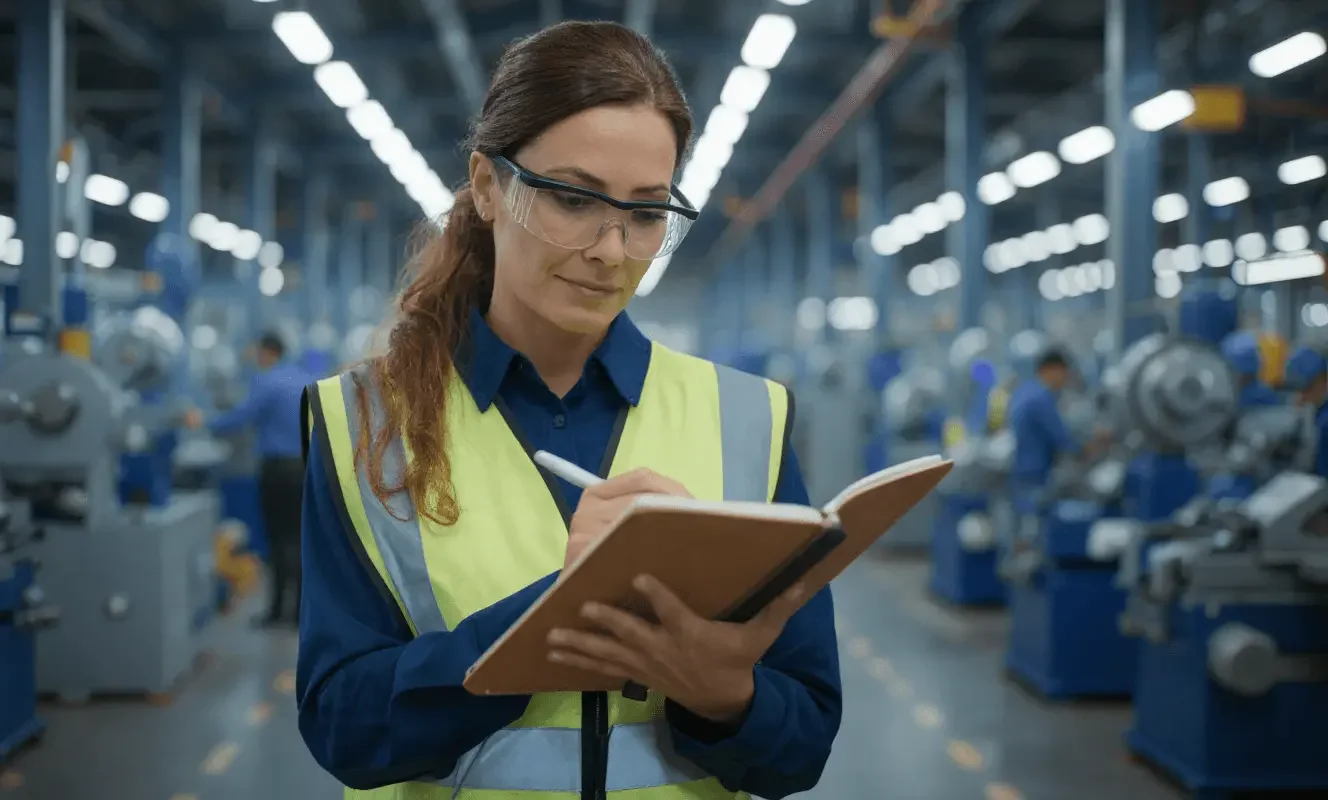
My manufacturing ergonomics assessments are based on direct observation, precise measurements and detailed analysis of your workplace operations. I evaluate tasks, equipment and environment through employee consultation and workplace assessments to identify ergonomics risk factors.
Where appropriate, industry-recognised assessment tools are applied, including:
MAC (Manual Handling Assessment Charts) – lifting, carrying and team handling
RAPP Tool (Risk Assessment of Pushing and Pulling) – force analysis
ART (Assessment of Repetitive Tasks) – upper limb repetitive work
RULA (Rapid Upper Limb Assessment) – upper body task evaluation
REBA (Rapid Entire Body Assessment) – whole-body posture analysis
All assessment reports include risk mitigation recommendations applying the Hierarchy of Control to identify and prioritise the most effective interventions.
As an additional assessment method, AI-powered analysis is available using smartphone video capture to generate HSE-standard reports within minutes. Find out more about AI-powered Ergonomics assessments.
Benefits of This Approach:
Faster identification of high-risk tasks enables quicker interventions
Local teams can capture assessments themselves whilst maintaining expert support
Objective, consistent analysis across multiple sites and shifts
More time redirected towards implementing risk reduction measures
This technology enhances rather than replaces Ergonomics expertise. I provide the strategic insight, practical recommendations and implementation support that actually reduce injury risk.
What I Assess
Manufacturing Ergonomics assessments extend beyond posture and lifting to examine the complete working system - covering physical, environmental and organisational factors.
Physical Factors Assessed: Forces, postures, repetition, reach distances
Environmental Factors Guidance: Lighting, temperature, air quality and noise levels
Organisational Environment - Pace of work, levels of Ergonomics awareness and workplace culture
Tools & Equipment - Design suitability, adjustability, usability and maintenance standards
Task Execution - Work as actually performed on the production floor, not just as documented in procedures, inefficiencies
Specialist Manufacturing Applications
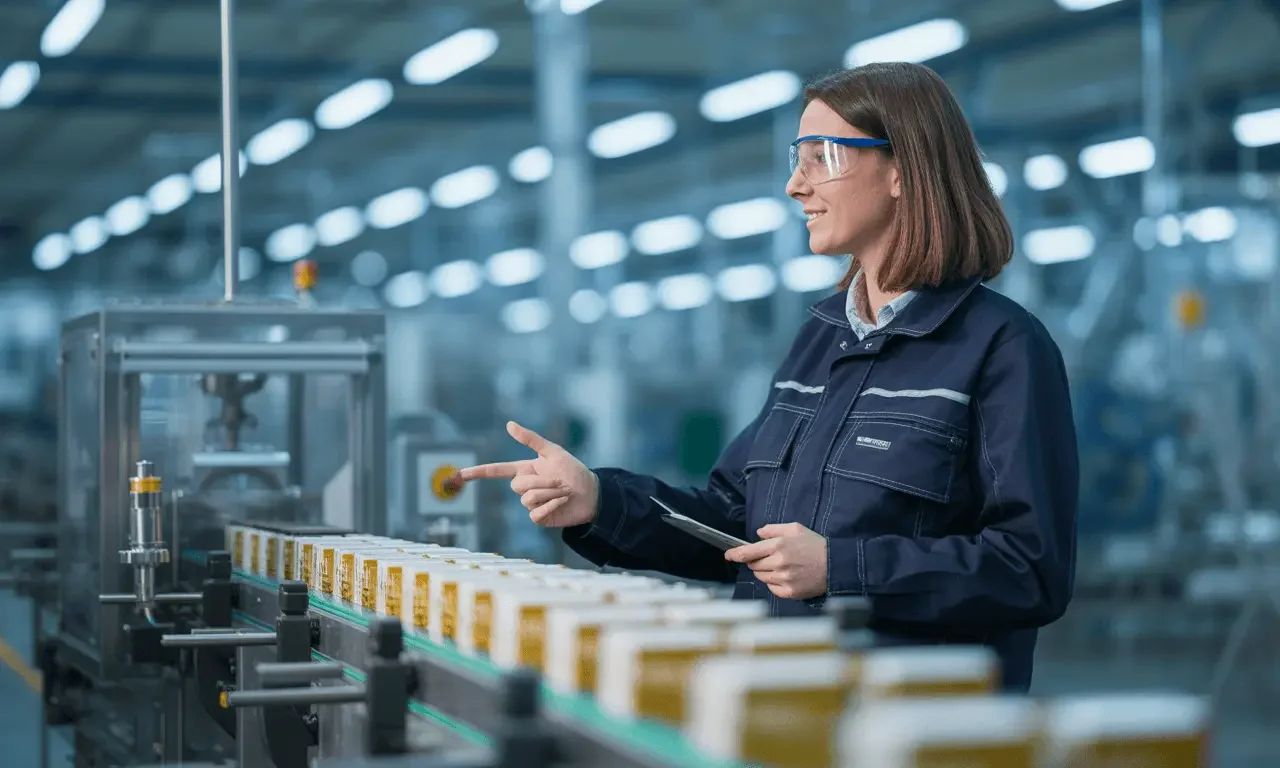
My production line Ergonomics expertise addresses:
Assembly line workstation optimisation and process design
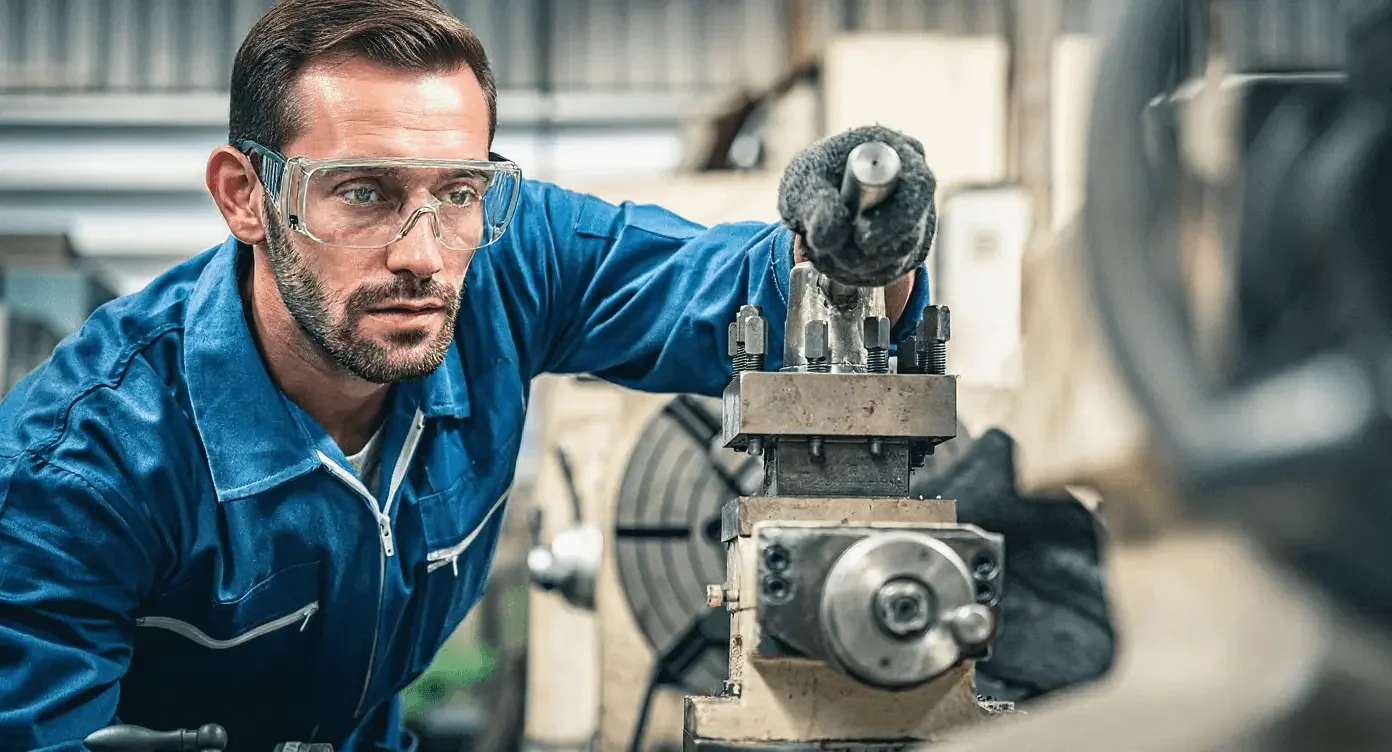
Repetitive sub-tasks in machine tending operations
High-throughput production environments
Manufacturing support roles and control room operations
Warehousing and logistics tasks integrated with production
Common Ergonomic Challenges
Awkward Postures - Working above shoulder height, awkward reaching, working in confined or restricted spaces, prolonged standing or sitting
Repetitive Tasks - High-frequency movements causing strain and fatigue
Equipment Provision & Design - Inadequate workstation setup and tool selection, suitability and usability
Manual Handling - Lifting, carrying, pulling, pushing and moving equipment, materials or components
Environmental Factors - Poor lighting, temperature, air quality and noise levels
My Production Line Services
Comprehensive Risk Assessment - Evaluation of tasks, equipment and environment through direct observation and employee consultation in actual workspaces.
Risk Mitigation Recommendations - All assessment reports include recommendations applying the Hierarchy of Control to identify and prioritise the most effective interventions.
Implementation Support - I can provide ongoing support to help you implement recommended changes, including engineering modifications, process changes and equipment improvements.
Environmental Guidance - Recommendations for lighting, air quality, temperature and noise levels for worker comfort and productivity.
Common Issues Addressed
Working height optimisation (to reduce working above shoulder height or bending)
Repetitive work patterns needing task rotation or automation
Prolonged standing or sitting requiring workstation adjustments
Poor visibility needing improved lighting or workspace layout
Manual handling tasks requiring equipment or process changes
Excessive force requirements in using tools, or pushing, pulling or gripping tasks
Adequate working space
Easy access to frequently used tools and equipment
Why Invest in Manufacturing Ergonomics?
Reduced MSD and RSI injury rates
Lower absence and compensation costs
Improved productivity and reduced inefficiencies
Fewer defects when posture, force application and line-of-sight are optimised
Better regulatory compliance with HSENI requirements
Audit-ready documentation for inspections
Improved staff retention and engagement
Improved worker safety, comfort and engagement
Regulatory Compliance
My assessments support compliance with:
Management of Health and Safety at Work Regulations 1999
PUWER 1998 (Provision and Use of Work Equipment Regulations) – requiring work equipment to be ergonomically suitable
Manual Handling Operations Regulations 1992
DSE Regulations 1992 (relevant for manufacturing control rooms and support roles)
I also apply recognised international standards appropriate to Ergonomics and Human Factors, such as ISO 6385 (Ergonomic principles in the design of work systems), ISO 14738:2002 (Anthropometric requirements for workstation design at machinery) and ISO 11228 series (Manual Handling standards).
Contact Julie to discuss your manufacturing, industrial or production line Ergonomics challenges.